Blog

  • Maple Leafs Suffer Costly Third-Period Collapse in Washington Loss

    Maple Leafs Suffer Costly Third-Period Collapse in Washington Loss

    A Missed Opportunity in a Season Short on Momentum

    The Toronto Maple Leafs entered Washington on Friday night hoping to steal an uplifting victory despite missing star forward William Nylander due to illness. With goaltender Joseph Woll continuing his strong run of form and the team holding a rare two-goal cushion, Toronto looked poised to escape with two much-needed points. Instead, a series of costly breakdowns in the final period allowed the Capitals to storm back with three unanswered goals—plus an empty-netter—to hand the Leafs a deflating 4–2 defeat.

    It was a game that can best be described as an opportunity lost, especially for a team searching for consistency in what has been a frustrating and at times “soulless” season. The Leafs have struggled all year to generate leads. On the nights they do, they simply cannot afford to let those advantages evaporate the way they did in Washington.


    Third-Period Breakdown Leaves Toronto Empty-Handed

    Defensive Lapses at the Worst Possible Time

    Through two periods, Toronto’s defensive structure had been surprisingly steady. Woll, in particular, seemed poised to deliver another standout performance. But in the third frame, the Leafs appeared to lose their attention to detail—exactly when Washington began applying the expected push.

    The unraveling began when Matthew Knies lost track of Connor McMichael along the blue line, allowing the Capitals forward to crash the crease and bury Washington’s first goal. From there, the breakdowns multiplied. On the tying goal, Alex Ovechkin was allowed space to locate Anthony Beauvillier completely uncovered at the side of the net for an uncontested tap-in. Oliver Ekman-Larsson and Morgan Rielly, usually reliable in defensive reads, were caught out of position.

    The game-winning goal came when Jakob Chychrun was left unmarked on the far side, blasting home a one-timer. It marked his fifth straight game with a goal—a run Toronto helped extend with loose coverage and slow reactions.

    We kind of got lost in coverage at times,” captain Auston Matthews admitted postgame. “They’re a team that likes to work through seams and switch sides. It’s tough to walk away with no points, especially after leading like that.”

    With the loss, the pressure mounts even further as Toronto’s place in the standings continues to erode.


    Woll Strong Again but Left Without Support

    A Heavy Workload for Toronto’s No. 1

    Joseph Woll has been Toronto’s most reliable performer in recent weeks, facing 30 or more shots in nearly every start. Friday was no different. The 26-year-old netminder delivered another composed effort, keeping Washington at bay for most of the night and giving his team every chance to secure a win.

    He entered the third period having surrendered only two goals in his previous two games combined. Once again, he held firm under pressure—until a succession of breakdowns left him helpless against odd-man rushes, uncovered shooters, and deflections near the crease.

    It just came down to one goal in the end,” Woll said afterward. “I’m trying to stick to my process. It feels good to get games in and find a rhythm. The results will eventually come.”

    Despite his calm demeanor, Woll has had little margin for error. With Toronto struggling to score consistently and its defensive zone coverage frequently collapsing, his performances have often been the only reason the team stays competitive.

    Hildeby Set to Start in Pittsburgh

    Head coach Craig Berube confirmed that Woll will get a much-needed rest for Saturday’s matchup in Pittsburgh, with Dennis Hildeby stepping in. Woll has made six consecutive starts—a taxing stretch given the volume of high-danger chances the Leafs have allowed.

    Toronto has been searching for stability in net all season. Anthony Stolarz struggled before being sidelined with injury, Cayden Primeau could not hold the backup job, and Hildeby is still adjusting to the NHL pace. Under those circumstances, Woll’s steady presence has been invaluable.


    Penalties—or the Lack of Them—Impact the Leafs

    Zero Power Plays for Toronto

    One glaring storyline from the loss: the Maple Leafs did not receive a single power-play opportunity.

    Despite Washington ranking among the league’s more penalty-prone teams, the Capitals managed to avoid infractions on Friday. Meanwhile, Toronto had to kill off two Washington power plays, including one assessed to Auston Matthews—who is rarely penalized.

    It continued a trend: the Leafs have received three or fewer power plays in eight of their last nine games.

    You just have to play the cards you’re dealt,” Matthews said, careful not to criticize officiating. “There are definitely moments that looked like penalties, but in the end, we didn’t do enough to draw them.”

    A power play could have given Toronto a chance to halt Washington’s momentum in the third period, but the opportunity never came.


    Offensive Chances Not Enough to Finish the Job

    Missed Opportunities Prove Costly

    Toronto generated quality scoring chances but failed to finish them. John Tavares was denied on a clean breakaway. Knies scored but was later robbed by Logan Thompson’s highlight-reel glove save with Woll pulled for the extra attacker. Scott Laughton had two clear looks that came up empty.

    Four players—Tavares, Matthews, Knies, and Bobby McMann—combined for more than half of the team’s 22 shots. Despite their efforts, the Leafs simply could not bury enough chances to protect or regain their lead.


    Lineup Challenges: Nylander Out, Domi Scratched

    Nylander Misses Game Due to Illness

    Toronto’s top point producer, William Nylander, was ruled out after waking up ill. Berube confirmed the issue was unrelated to his decision to rest during Thursday’s practice. His absence was deeply felt, particularly late in the game when Toronto struggled to generate offense.

    The team is optimistic Nylander could return for Saturday’s game in Pittsburgh.

    Max Domi Benched for a Reset

    Max Domi was made a healthy scratch, following a similar decision earlier in the week with Dakota Joshua. Berube emphasized the move was meant to provide Domi with a “reset,” a message he had also delivered to Joshua—who responded positively in the following game with a strong performance and an assist.

    “I’ve got to look at what’s best for that night,” Berube said. “And sometimes guys just need a reset.”

    With a back-to-back on the schedule, Domi is expected to re-enter the lineup soon.


    Conclusion: A Wake-Up Call for a Team Running Out of Time

    Friday’s game in Washington underscored an all-too-familiar pattern for the Maple Leafs: stretches of solid play undone by preventable mistakes, inconsistent pressure, and a failure to close out games.

    The third-period collapse highlighted issues the Leafs must address immediately—defensive awareness, special-teams consistency, and scoring execution—before their season slips further from their grasp.

    As Matthews noted, the team must turn words into action. With another game less than 24 hours away, Toronto will need a quick response to avoid letting another winnable game slip away.


  • Ontario Dentist Linked to Ford Family Reference Receives $2M Government Grant, Raising Questions Over Political Connections

    Ontario Dentist Linked to Ford Family Reference Receives $2M Government Grant, Raising Questions Over Political Connections

    Introduction: Grant Sparks New Scrutiny Over Skills Development Fund

    A Toronto-area dentist whose practice publicly claims to treat “the Ford family” is facing renewed scrutiny after one of his companies received a $2 million provincial government grant. While Premier Doug Ford insists he had no involvement in the decision, political observers and opposition leaders say the situation raises troubling questions about transparency and governance within Ontario’s controversial Skills Development Fund.

    The grant recipient, Dentacloud—founded by Etobicoke dentist Dr. John Maggirias—secured the multimillion-dollar award in 2024. At the same time, Maggirias’s dental practice, JM Dental, prominently states on its website that patients can expect to feel “as comfortable and relaxed as the Ford family has during their visits with us.” Although it remains unclear which members of the Ford family the claim refers to, the statement has drawn intense public interest due to the significant public funding involved.


    A Web of Connections: Website Claims, Donations, and Photographs

    Dental Practice Advertises Ties to the Ford Family

    On Friday, staff at JM Dental declined to elaborate on the website’s reference to treating the Ford family, refusing to answer questions about which members of the premier’s family had received care at the Etobicoke clinic. Despite the practice’s promotional claim, Premier Doug Ford categorically denied being a patient.

    “I haven’t been there,” Ford told reporters. “I’ll have to check if my brother’s kids or other family members have been there, but come on—that’s all I’ve got to say. My dental guy is in Scarborough.”

    Ford’s late brother, former Toronto mayor Rob Ford, appears in photographs from 2013 posted on JM Dental’s website. The images suggest at least some past connection between the Ford family and the practice, though no details have been confirmed.

    Political Donations and Public Appearances

    Corporate records show that Dr. John Maggirias, the director of JM Dental, has donated over $20,000 to Ontario’s Progressive Conservative Party and its candidates. A photograph posted by the premier’s office also shows Maggirias posing with Doug Ford at an event.

    Additionally, video footage published by The Trillium shows Ford and Maggirias joking together at a fundraiser, providing further evidence of a friendly rapport between the dentist and the premier.

    Still, Ford maintains that he did not interfere in any way with the grant process benefiting Maggirias’s separate company, Dentacloud.

    “I don’t get involved in these decisions,” the premier said. “That’s why I have ministers. I don’t believe in micromanaging.”


    Dentacloud: The $2 Million Grant at the Centre of Controversy

    Grant Awarded Despite Growing Concerns About the Fund

    In 2024, Dentacloud received a $2 million grant through Ontario’s Skills Development Fund, a program meant to support workforce training initiatives across the province. However, the fund has been surrounded by controversy since CTV News reported that certain grants were approved despite the objections of non-partisan public service staff.

    In October, Ontario’s Auditor General issued a damning assessment, revealing that more than half of the time, decisions involving approximately $750 million in grants were directed by political staff rather than through transparent or accountable processes.

    The Dentacloud grant, in particular, has resurfaced amid broader concerns about the fund’s governance under Labour Minister David Piccini. Piccini already faces complaints before the Integrity Commissioner regarding his involvement in funding decisions, including attending events with individuals tied to grant-receiving companies.

    Dentacloud Defends Its Use of Funds

    In September, Dentacloud’s chief operating officer, Edward Kwan, told CTV News that the funding had been used responsibly to address staffing shortages across Ontario’s dental industry.

    Kwan stated that the grant supported training for 349 individuals, resulting in over 70 hires in dental clinics.

    “Dentacloud was positioning the recipients to have the specialized skills that are necessary for success in the dental workplace,” he said.

    Kwan did not respond to new inquiries about the Ford-related claims posted on JM Dental’s website.


    Premier Denies Involvement: ‘This Isn’t Something I Touch’

    Ford Insists He Played No Role in Grant Decision

    Responding to reporters’ questions about Maggirias and Dentacloud, Premier Doug Ford issued a firm denial of any involvement in approving the multimillion-dollar allocation.

    “I don’t get involved in these decisions,” Ford repeated. “I hold people accountable, but this is why we have ministers.”

    He added that he was unaware of any family members receiving care at JM Dental but promised to check.

    “My dental guy is in Scarborough. He has two offices. I’ll ask my whole family if they’ve ever gone to that dentist.”

    Opposition Accuses Premier of Oversight Failures

    Ontario NDP Leader Marit Stiles challenged Ford’s attempt to distance himself from the matter, arguing that the connections are too significant to ignore.

    “The company talks openly about the Ford family,” Stiles said. “The premier has been at fundraisers with this dentist. This is a $2.5 billion fund. This isn’t the premier’s personal piggy bank.”

    Stiles is among several political leaders calling for deeper scrutiny into how the Skills Development Fund approved recipients and whether political relationships played a role in decision-making.


    Regulatory Issues: Dental Advertising Rules in the Spotlight

    Experts Question Legitimacy of ‘Ford Family’ Claim

    The promotional language on JM Dental’s website is unusual for Ontario dental practices. According to advertising rules established by the Royal College of Dental Surgeons of Ontario (RCDSO), dentists must avoid using unverified testimonials or statements that rely solely on a patient’s personal experience or feelings.

    Kyle Hamilton, CEO of The Dental Marketing Company, says the practice’s website raises red flags.

    “I would guide my clients away from making a statement like this,” Hamilton explained. “The question is, who is making the claim? And can it be verified?”

    Regulator Declines to Confirm Complaint Status

    The RCDSO said it could not confirm or deny whether it had received a complaint concerning JM Dental’s advertising claims. As of Friday, the premier’s office did not say whether any members of the Ford family had acknowledged receiving dental treatment at the clinic.


    Growing Debate Surrounding the Skills Development Fund

    Pattern of Concern Emerging Over Funding Decisions

    The Dentacloud grant is only the latest in a string of controversies involving the Skills Development Fund. Previous reporting revealed that large grants were awarded to companies outside traditional training sectors—including a popular chain of bars and restaurants—against the advice of non-partisan staff.

    Critics say such decisions highlight systemic flaws in oversight, political influence, and the government’s approach to distributing billions in public funds.

    Meanwhile, Integrity Commissioner complaints related to Minister Piccini continue to mount, making the Dentacloud situation part of a widening debate over accountability and transparency within the Ford government’s labour portfolio.


    Conclusion: Questions Persist as Government Faces Heightened Scrutiny

    As the political fallout from Dentacloud’s $2 million grant intensifies, Ontario’s government faces renewed pressure to explain how funding decisions are made and whether political relationships play a role. The unexpected revelation that the grant recipient’s affiliated dental practice claims to treat “the Ford family” has added another layer of complexity to an already controversial program.

    With opposition leaders demanding answers, regulatory bodies reviewing practices, and public scrutiny growing stronger, the provincial government must clarify its decision-making processes and reassure Ontarians that public funds are being distributed transparently, fairly, and without favour.

  • Ingram’s Last-Second Heroics Lift Raptors to Dramatic 97-95 Win Over Pacers

    Ingram’s Last-Second Heroics Lift Raptors to Dramatic 97-95 Win Over Pacers

    Toronto, ON — Brandon Ingram delivered in the clutch, sinking a 15-foot jump shot with just 0.6 seconds remaining to seal a thrilling 97-95 victory for the Toronto Raptors over the Indiana Pacers in NBA Cup action Wednesday night.

    The buzzer-beater not only extended Toronto’s impressive winning streak to nine games but also secured the Raptors a top-two seed and home-court advantage in the quarterfinals of the Emirates NBA Cup. The result was further boosted by the Milwaukee Bucks’ narrow loss to the Miami Heat earlier in the evening.

    Raptors Stay Perfect in NBA Cup Group Play

    Ingram led the charge with 26 points and eight rebounds, while Scottie Barnes recorded a strong double-double with 24 points and 10 boards. Immanuel Quickley added 15 points, six assists and five rebounds as Toronto improved to 14-5 this season and finished group play with a flawless 4-0 record.

    Despite dealing with multiple injuries, the Raptors displayed resilience and depth throughout the contest.

    Pacers Fall Short Despite Late Push

    TJ McConnell paced Indiana with 16 points, seven rebounds and six assists off the bench. Jarace Walker contributed 13 points and narrowly missed a double-double. Bennedict Mathurin and Andrew Nembhard, both Canadian guards, added 15 and nine points respectively.

    Indiana, now 2-16 on the season, dropped its third consecutive game after surrendering key momentum late.

    Injury Concerns for Toronto

    Toronto suffered another blow when backup forward Gradey Dick exited in the first quarter following a hard fall and did not return. The team also confirmed RJ Barrett remains sidelined for at least another week with a sprained knee.

    Key Moments and Game Breakdown

    • Toronto erased an 11-point deficit with an 11-0 run to close the second quarter, taking a 50-49 halftime lead.
    • That momentum carried into the third quarter with a 13-1 stretch capped by an Ingram three-pointer.
    • The fourth quarter saw intense back-and-forth action before Ingram sealed the win with his last-second jumper.

    Game Stats Highlight

    Toronto struggled from beyond the arc, shooting just 5-for-26 (19.2%) from three-point range — well below their season average of 37.8%. However, the Raptors dominated inside, outscoring Indiana 46-40 in the paint and edging them 48-43 on the boards.

    What’s Next

    • Pacers: Host the Washington Wizards on Friday
    • Raptors: Travel to face the Charlotte Hornets on Saturday

    The dramatic finish further reinforced Toronto’s status as a growing force in the NBA Cup, with momentum and home-court advantage now firmly on their side.

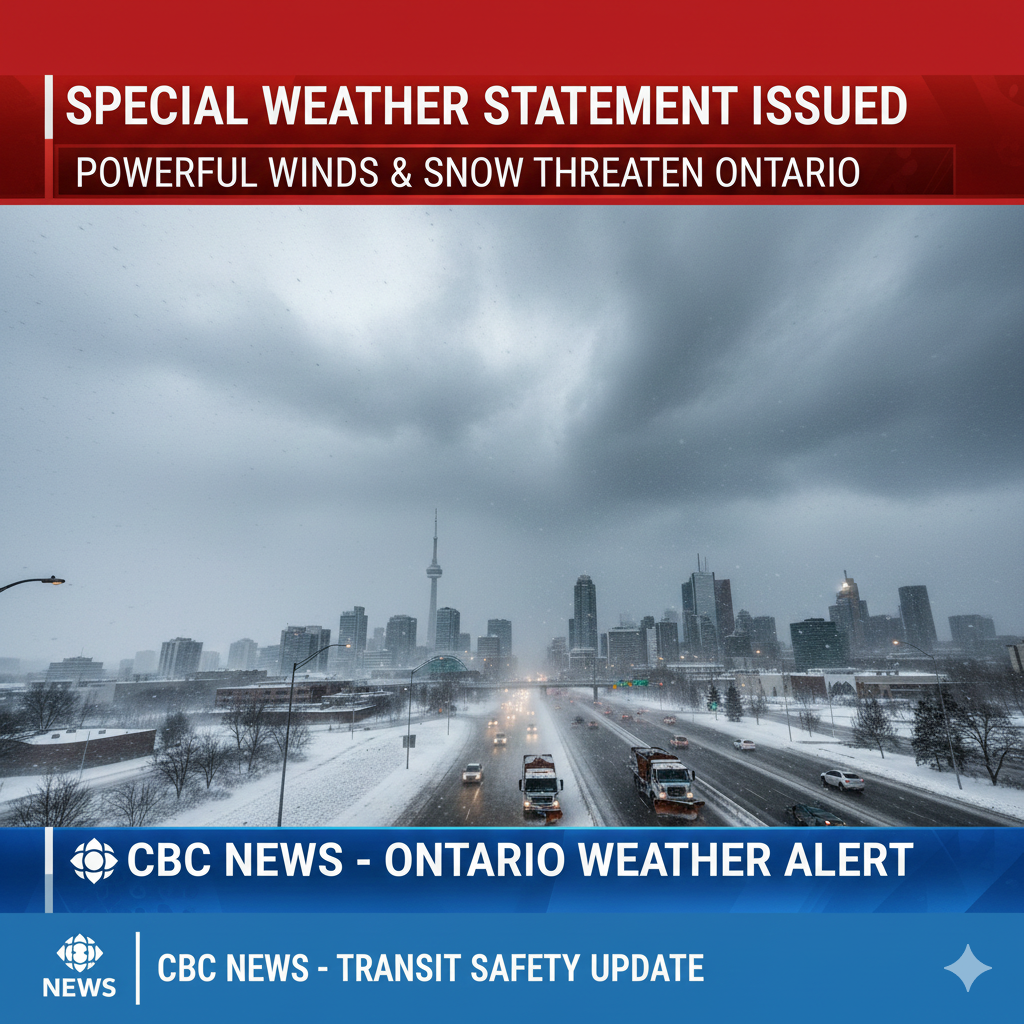
  • Special Weather Statement Issued as Powerful Winds and Snow Threaten Toronto and Southern Ontario

    Special Weather Statement Issued as Powerful Winds and Snow Threaten Toronto and Southern Ontario

    Toronto Braces for Severe Wind Event and Potential Snowfall

    Environment Canada has issued a special weather statement warning Toronto residents and surrounding communities to prepare for strong winds, possible snow, and deteriorating travel conditions as a significant weather system moves into southern Ontario. The federal weather agency says the storm, expected to begin Wednesday and continue into late Thursday or early Friday, could bring gusts reaching 70 to 80 kilometres per hour, creating the risk of power disruptions, falling debris, and hazardous driving conditions across the region.

    Meteorologists say this system marks the first major winter weather event of the season for much of southern Ontario, combining intense winds with the potential for wet, heavy snow in some areas. While Toronto itself may experience more modest snowfall, areas north and west of the city are forecast to see more substantial accumulations, heightening concerns for motorists and local infrastructure.

    Strong Winds Expected to Impact Urban and Suburban Areas

    According to Environment Canada, the primary threat for Toronto will be powerful winds capable of causing localized damage and travel disruptions. Gusts of up to 80 km/h are expected to begin Wednesday and persist through Thursday night, affecting not only the city core but also the Greater Toronto Area (GTA).

    Directional Shifts Could Intensify Conditions

    Meteorologists noted that winds will initially blow from the southwest before shifting westward Wednesday night and then to the northwest by Thursday afternoon or evening. These changing wind directions could intensify the effects of the storm, especially when combined with snowfall, resulting in reduced visibility and drifting snow on major roads and highways.

    Environment Canada warned that high-sided vehicles, including transport trucks, buses, and delivery vans, could be pushed off course by the gusts. Loose outdoor items such as garbage bins, patio furniture, and construction materials may also become airborne hazards, posing risks to pedestrians and property.

    Snowfall Could Create Treacherous Road Conditions

    While Toronto may receive limited snowfall, communities to the north and west are expected to bear the brunt of the storm. Environment Canada climatologist emeritus David Phillips told CBC Radio’s Metro Morning that areas such as Barrie and Guelph could see significant snowfall beginning late Wednesday afternoon and intensifying overnight.

    Phillips cautioned that the combination of wind and snowfall will likely result in blowing and drifting snow, which could severely impair visibility and make travel dangerous, particularly on rural highways and open stretches of road.

    First Major Winter Storm of the Season

    Phillips described the approaching system as a notable milestone for the region’s winter weather timeline, calling it “the first real, significant event of the winter.” He emphasized that even modest snowfall in Toronto could become problematic when compounded by strong gusts and dropping temperatures during the overnight hours.

    Drivers in affected areas are being urged to anticipate slower travel times, slick road surfaces, and the possibility of temporary road closures, particularly in counties where snow accumulation is predicted to be heavier.

    Potential for Power Outages and Infrastructure Impacts

    In addition to hazardous travel, officials are warning of possible service disruptions due to the strength of the winds. Environment Canada advised that falling branches, downed power lines, and wind damage to structures could result in isolated power outages, especially in suburban and rural communities with older infrastructure or significant tree cover.

    Residents are encouraged to secure loose items around their properties and check that emergency supplies such as flashlights, batteries, and backup phone chargers are accessible in case of service interruptions.

    Safety Advisory for Residents and Commuters

    Transportation and safety authorities are urging the public to exercise caution throughout the storm period. Motorists should allow extra travel time, maintain a safe distance from other vehicles, and avoid unnecessary trips during peak storm conditions.

    Key Precautionary Measures

    Residents are advised to:

    • Secure outdoor objects that could be blown away.
    • Avoid parking vehicles under trees or power lines.
    • Monitor weather updates and official warnings.
    • Prepare for sudden changes in road and weather conditions.
    • Consider delaying non-essential travel until conditions improve.

    Pedestrians should remain alert for falling debris and take extra care when walking near construction zones or older buildings, where materials may become dislodged by strong gusts.

    Regional Impacts Beyond Toronto

    The special weather statement extends beyond the city, covering much of southern Ontario. Communities from Windsor to Kingston are monitoring the system closely, with local officials preparing response measures in case of worsening conditions.

    In more snow-prone areas such as Huron, Wellington, Simcoe, and Grey counties, meteorologists say lake-effect snow could develop as colder air moves over the Great Lakes. This phenomenon may significantly increase snowfall totals in localized pockets, further complicating travel and emergency response efforts.

    Emergency Services on Alert

    Municipal emergency services and utility providers have been placed on standby as the storm approaches. Crews are prepared to respond to reports of downed trees, power outages, and collisions resulting from poor road conditions. City officials have also reminded residents to remain cautious and report any hazardous conditions to local authorities.

    Toronto’s transportation agencies are monitoring road networks and public transit operations to ensure continuity of service where possible. However, officials caution that severe conditions may still result in delays or temporary disruptions.

    Outlook for the Coming Days

    Forecast models indicate that conditions could gradually improve by late Friday morning. However, lingering winds and residual snowfall may continue to impact travel and daily activities even after the storm’s peak has passed.

    Residents are advised to stay updated through official weather bulletins and emergency alerts as the situation evolves. Environment Canada continues to monitor the storm system closely and may issue further warnings or advisories if conditions intensify.

    Conclusion: Vigilance Urged as Winter Conditions Set In

    As Toronto and southern Ontario prepare for this significant shift in weather, authorities are emphasizing the importance of preparation and awareness. The combination of strong winds and potential snowfall represents a clear reminder of winter’s arrival and the challenges it brings.

    By taking proactive steps, monitoring official guidance, and exercising caution on the roads and in public spaces, residents can minimize risks and stay safe as the storm unfolds. Environment Canada’s special weather statement serves as an early warning to ensure communities are ready for what could be one of the most impactful weather events of the early winter season.

  • TTC Employee Stabbed at Dundas Station Sparks Renewed Focus on Subway Safety and Police Presence

    TTC Employee Stabbed at Dundas Station Sparks Renewed Focus on Subway Safety and Police Presence

    Violent Incident Shakes Downtown Toronto Transit Hub

    A serious stabbing involving a Toronto Transit Commission (TTC) employee inside Dundas subway station has intensified concerns over safety on Toronto’s public transit system, prompting renewed discussions around policing, security, and the protection of frontline workers. The incident occurred on Wednesday afternoon and left both the employee and the alleged attacker requiring hospital treatment.

    Toronto police confirmed that the stabbing took place at approximately 1:10 p.m. on Line 1 at Dundas Station, a busy downtown stop serving thousands of commuters daily. Emergency services responded swiftly after reports emerged of a violent confrontation on the subway platform, leading to the arrest of a male suspect at the scene.

    According to authorities, the TTC employee sustained serious injuries but is expected to recover, while the suspect was also injured during the incident. Both individuals were transported to a local hospital and are being treated for non-life-threatening wounds.

    Police Maintain Heavy Presence During Investigation

    Following the attack, Toronto police established a large operational presence around Dundas Station as officers conducted a full investigation. Subway service through the station was significantly disrupted for several hours, with trains bypassing the stop while forensic teams examined the area and gathered evidence.

    Transit disruptions caused delays throughout the downtown corridor, affecting afternoon commuters and increasing congestion across nearby stations. TTC officials later confirmed that full service resumed by approximately 7:45 p.m., after investigators cleared the scene and safety checks were completed.

    The police have not yet released the identity of the suspect, but confirmed that the individual remains in custody and charges are expected as the investigation progresses.

    TTC CEO Condemns Attack and Reaffirms Safety Commitment

    TTC Chief Executive Officer Mandeep Lali issued a strongly worded statement expressing deep concern and sorrow following the incident. Lali described the attack as unacceptable and emphasized the agency’s commitment to maintaining a safe environment for employees and passengers.

    “This is an unacceptable act against someone dedicated to serving our customers and our city,” Lali said. “We are deeply disturbed by what occurred, and our thoughts are with our employee and their loved ones. We wish them a full and speedy recovery.”

    Lali stressed that safety remains the TTC’s top operational priority, noting that the agency continues to work closely with Toronto Police to strengthen protective measures and prevent similar events in the future.

    Union Confirms Victim Details and Calls for Zero Tolerance

    Employee Identified as Customer Service Agent

    The Amalgamated Transit Union (ATU) Local 113, which represents nearly 12,500 TTC employees, confirmed that the victim was a customer service agent who suffered a stab wound to the arm while performing their duties.

    In a public statement, the union condemned the violence in unequivocal terms and renewed its call for stronger deterrence policies.

    “ATU Local 113 maintains that there should be no place for violence on Toronto’s transit system and advocates for a zero-tolerance policy to be adopted in our city,” the union said.

    Union leaders emphasized the emotional and physical toll such incidents take on transit workers, many of whom face increasingly unpredictable situations while interacting with the public.

    Incident Coincides With Expansion of Police Patrols

    Increased TTC Security Already Announced

    The stabbing occurred on the same day Toronto Police Chief Myron Demkiw announced expanded police patrols across key areas of the subway system. In response to rising safety concerns and recent violent incidents, the Toronto Police Service confirmed a stronger and more visible presence on Line 1 by the end of the year.

    Demkiw outlined that four dedicated officers will patrol the section between Union and Wellesley stations, while another four officers will operate between Bloor and Eglinton stations. These patrols are intended to provide seven-day-week coverage, ensuring riders feel safer during peak and off-peak hours.

    Additionally, prioritized patrols will be introduced at Union and Bloor stations, two of the busiest and most critical transit nodes in Toronto.

    Collaborative Efforts to Address Transit Violence

    Demkiw highlighted that officers will continue working alongside TTC special constables, TTC community engagement teams, and city support services to support vulnerable individuals and de-escalate crisis situations within the transit system.

    “The goal is not only to respond to incidents, but to prevent them through visibility, engagement, and early intervention,” said Demkiw during a news briefing earlier Wednesday.

    This collaborative approach aims to balance enforcement with social support, particularly when dealing with individuals experiencing mental health challenges or homelessness.

    Rising Concerns Over Transit Safety

    The stabbing at Dundas Station adds to a growing list of violent incidents on transit systems across Canada. Recent reports have highlighted a sharp increase in assaults and disturbances on public transportation, raising concerns among commuters, transit employees, and municipal leaders.

    Passenger advocacy groups have called for sustained investment in safety infrastructure, including increased surveillance, emergency response systems, and improved training for frontline staff.

    For many daily riders, the incident underscored the vulnerability of transit environments, particularly in high-density downtown areas where large crowds and limited exit points complicate emergency situations.

    TTC Responds With Risk Mitigation Measures

    In response to the emerging safety challenges, the TTC has been exploring a range of mitigation strategies, including:

    • Expanding partnerships with police and crisis intervention teams
    • Increasing staff training in conflict resolution
    • Enhancing surveillance and monitoring technologies
    • Providing additional support for employees working alone or during late-night hours

    TTC leadership confirmed that further operational reviews are ongoing to identify additional safeguards that can be implemented system-wide.

    Public Reaction and Broader Implications

    The stabbing incident has sparked outrage and concern among Toronto residents, many of whom rely on the TTC as their primary mode of transportation. Social media platforms were flooded with messages expressing sympathy for the injured worker and demanding stricter safety controls across the transit network.

    Community leaders and city councillors are urging the province and city to allocate increased resources toward transit safety and frontline worker protection, emphasizing that public transportation should never be a site of fear or uncertainty.

    Service Disruption and Restoration

    While the incident caused significant delays and service disruptions throughout the day, TTC officials confirmed that normal subway operations resumed by early evening. Dundas Station was thoroughly inspected before reopening to ensure passenger safety.

    TTC staff were also offered immediate support services following the traumatic event, including counselling and crisis assistance for those affected.

    Conclusion: A Wake-Up Call for Transit Safety Reform

    The stabbing of a TTC employee at Dundas Station serves as a stark reminder of the risks faced by frontline transit workers and the importance of sustained efforts to ensure safety across Toronto’s public transit system. While swift action by police prevented further harm, the incident highlights the urgent need for long-term solutions that prioritize both prevention and rapid response.

    As the Toronto Police Service expands its patrol coverage and the TTC strengthens security protocols, stakeholders across the city are being called upon to collaborate toward creating a transit environment where safety, respect, and accountability are upheld.

    The situation remains under investigation, with police expected to release further details as proceedings continue. Meanwhile, the focus remains on recovery for the injured employee and reinforcing safety standards to prevent future acts of violence on public transportation.

  • Senior Charged After Allegedly Claiming Group’s $1M Lottery Winnings for Himself

    Senior Charged After Allegedly Claiming Group’s $1M Lottery Winnings for Himself

    Ontario man, 70, accused of theft and fraud in Lotto Max dispute

    A 70-year-old Toronto man has been charged after allegedly attempting to claim the full $1 million prize from a Lotto Max ticket that was intended to be shared among a group of three people, according to Ontario Provincial Police (OPP).

    The accused is facing multiple criminal charges, including theft over $5,000, fraud over $5,000, and possession of property obtained by crime. Police allege the man falsely presented himself as the sole winner when redeeming the ticket, despite it being part of a group play arrangement.

    Disputed Lotto Max win under investigation

    The ticket in question was reportedly purchased in July as part of a shared agreement between three individuals who had collectively participated in the Lotto Max draw. Group lottery play typically involves participants pooling money to buy tickets and agreeing in advance to divide any winnings.

    According to police, the man allegedly violated this agreement by attempting to claim the entire $1 million jackpot for himself. Concerns were raised following the initial prize claim, leading the Ontario Lottery and Gaming Corporation (OLG) to conduct a detailed review through its forensic validation team.

    Following its assessment, the OLG referred the case to the Ontario Provincial Police for further investigation.

    Police investigation launched in September

    OPP confirmed that a formal investigation began in September after inconsistencies were identified in the claim process. Investigators later determined that the ticket was indeed part of a group purchase, contradicting the accused’s claim that he was the sole rightful winner.

    Authorities have not disclosed whether any funds were successfully paid out before the alleged misrepresentation was discovered, nor have they released the identities of the other individuals involved in the group play.

    The accused is expected to appear in court at a later date, where the charges will be addressed under Ontario’s criminal justice process.

    OLG emphasizes importance of transparency in group play

    The Ontario Lottery and Gaming Corporation has long advised participants in group lottery play to create written agreements and designate clear roles to avoid disputes. Such precautions help ensure that prize distributions are handled fairly and legally.

    OLG officials reiterate that all major prize claims are subject to rigorous validation procedures, including identity verification, ticket ownership analysis, surveillance reviews, and forensic assessment.

    This safeguard system is designed to protect both winners and the integrity of Ontario’s lottery operations.

    Lottery fraud remains a serious offence

    Legal experts note that lottery-related fraud cases are treated with severity under Canadian law. Theft and fraud over $5,000 are indictable offences and can result in significant penalties, including fines and possible imprisonment, depending on court findings.

    Police have encouraged anyone involved in group lottery purchases to maintain documentation and ensure all participants are fully informed of the claiming process.

    Separate major lottery win highlights contrast

    In an unrelated development, a 26-year-old Toronto resident recently won a $60 million lottery jackpot, drawing public attention to the stark contrast between legitimate lottery success and alleged fraudulent activity.

    While lottery wins often bring excitement and celebration, cases like this serve as a reminder of the legal responsibilities and ethical obligations tied to shared financial arrangements.

    Growing awareness around group lottery risks

    This incident has sparked renewed discussion across Ontario about the risks associated with informal group lottery play, especially when agreements are verbal or poorly documented.

    Consumer advocates stress the importance of transparency, suggesting participants take steps such as:

    • Writing clear group agreements
    • Keeping copies of ticket purchases
    • Assigning a trusted group leader
    • Documenting contributions
    • Taking photos of tickets before submission

    Such practices can prevent disputes and ensure fair distribution of winnings.

    Conclusion

    The case against the Toronto senior accused of fraudulently claiming a shared $1 million lottery prize remains before the courts, with legal proceedings expected to determine the outcome. As authorities continue to reinforce strict validation practices, the incident highlights the importance of trust, documentation, and accountability in group lottery participation.

    As lottery participation continues to rise across Ontario, officials urge players to understand the rules clearly and protect themselves through proper planning and transparency.

  • Ontario Reaches New Agreement Allowing Grocers to Avoid Collecting Beer and Wine Empties

    Ontario Reaches New Agreement Allowing Grocers to Avoid Collecting Beer and Wine Empties

    Introduction: A Major Shift in Ontario’s Alcohol Recycling System

    Ontario’s alcohol recycling landscape is set for a significant transformation following a new agreement-in-principle between provincial grocers and The Beer Store. The deal, confirmed through sources familiar with the negotiations, will allow grocery retailers to avoid collecting empty beer and wine containers at their stores, instead reinforcing The Beer Store’s role as the primary return point for alcohol empties across the province.

    The agreement provides clarity after months of uncertainty that threatened to disrupt the Ontario Deposit Return Program, a cornerstone of the province’s recycling system. Under current regulations, grocery stores selling alcohol were expected to begin accepting empty containers starting January 1. However, mounting operational challenges prompted strong resistance from retailers, many of whom indicated they would abandon alcohol sales entirely rather than take on the added responsibility.

    This new arrangement delivers a compromise that protects both environmental goals and business operations, while ensuring consumers retain access to a familiar and reliable deposit return process.


    How the New Deal Will Work for Consumers

    Empties to Be Returned at Beer Store Locations

    Under the proposed framework, consumers will continue returning empty alcohol containers to Beer Store locations in order to collect their deposit refunds. Rather than shifting collection duties to grocery stores, the agreement keeps the system centralized through the existing Beer Store network, which has long managed container recycling in Ontario.

    Grocers, however, will bear the financial responsibility for the empties that are returned through The Beer Store system. This cost-sharing model allows grocery retailers to continue selling beer and wine without having to manage the physical handling, storage, and sanitation challenges associated with container returns.

    Additionally, brewers have committed to ensuring that a return facility remains accessible within 10 kilometres for the vast majority of Ontario residents, safeguarding convenience for consumers regardless of location.


    Avoiding a Crisis in the Deposit Return Program

    Grocers Had Warned of Alcohol Sales Withdrawal

    The agreement effectively prevents what some feared could have been a major collapse of the deposit return program. Several grocery chains had publicly stated they would refuse to accept empty containers and would even relinquish their alcohol licences if the issue was not resolved.

    The concern was particularly acute as January 1 also marked the date when The Beer Store is permitted to close an unlimited number of its locations under a prior government agreement. Without intervention, this double pressure risked leaving consumers with few accessible return options and undermining years of recycling infrastructure.

    By reaffirming The Beer Store’s function in alcohol container returns, the deal provides stability and continuity to a system that Ontarians have relied on for decades.


    Government Involvement and Policy Modernization

    Facilitated Negotiations and Strategic Oversight

    The breakthrough came after months of behind-the-scenes discussions between brewers and grocers, facilitated by the provincial government. These talks were closely linked to Premier Doug Ford’s broader initiative to modernize and expand alcohol sales into convenience and additional grocery stores across Ontario.

    A spokesperson for Finance Minister Peter Bethlenfalvy praised the agreement, describing it as a balanced solution that benefits both businesses and consumers. According to the province, the deal aligns with its goal of transforming Ontario’s alcohol marketplace to offer greater accessibility and convenience while maintaining responsible recycling practices.

    Government officials emphasized that the agreement allows retailers to focus on serving customers without being burdened by operational obstacles that could have deterred participation in the alcohol sales market.


    Financial Implications and Industry Response

    Cost Responsibilities Shift to Grocers

    While the finer financial details have yet to be finalized, early indications suggest that grocery stores will be required to cover the cost of empty containers returned through Beer Store locations. The total expense to retailers remains unclear, and it is uncertain whether these costs will eventually be passed on to consumers.

    Industry groups acknowledge that some level of cost was unavoidable. Had grocers been forced to implement in-store recycling systems, many would have faced significant startup expenses, including infrastructure modifications, staff training, and ongoing waste management processes.

    Grocers Welcome the Resolution

    Retail organizations have responded positively to the agreement. The Retail Council of Canada described the outcome as a practical solution that keeps the recycling system familiar and dependable for consumers while reducing pressure on grocery retailers.

    Industry representatives noted that the arrangement preserves a simple, recognized process that customers have come to trust, minimizing confusion and disruption.


    Independent Grocers and Small Business Relief

    Preventing Market Exit by Smaller Retailers

    Independent and small-scale grocers were among the most vocal critics of the original recycling requirement. Many argued that the cost and space demands of collecting empties would have been unmanageable, potentially forcing them to abandon alcohol sales altogether.

    Gary Sands, a senior policy advocate with the Canadian Federation of Independent Grocers, highlighted that some storeowners had already chosen not to apply for alcohol licences because of the impending rules. Others had publicly stated that continued compliance would result in their exit from the alcohol retail market.

    The new deal restores confidence among these retailers, encouraging broader participation and ensuring that consumers maintain access to alcohol products in smaller and rural communities.


    The Beer Store’s Renewed Role in Recycling

    Maintaining a Core Environmental Function

    Beer Store leadership welcomed the agreement, framing it as a win for both consumers and environmental sustainability. With decades of experience operating a deposit return system, the organization emphasized its ability to provide reliable service and efficient recycling outcomes.

    The company reaffirmed its commitment to ensuring convenient location coverage and maintaining high customer service standards for Ontarians seeking to return containers and reclaim their deposits.

    Although questions remain about potential store closures, the agreement suggests a continued operational footprint to meet accessibility commitments across the province.


    Alcohol Expansion and Its Wider Impact

    Balancing Convenience with Responsibility

    The deal is closely tied to the province’s plan to expand alcohol availability in grocery and convenience stores. A previous agreement allowed The Beer Store to receive transition funding while permitting location closures and market restructuring.

    While the aim is to provide broader consumer choice, the government has also recognized the importance of maintaining a strong recycling backbone. This updated agreement reinforces that the modernization of alcohol retail must occur alongside responsible environmental management.

    Convenience stores remain exempt from recycling requirements, further distinguishing their role within the marketplace.


    Consumer Experience Remains Unchanged

    Familiar System Preserved

    For most Ontarians, little will change in practical terms. Consumers will still return their empty alcohol containers to The Beer Store to receive their deposit refunds, preserving the straightforward process that has been in place for years.

    This consistency eliminates confusion and avoids logistical disruptions that could have arisen from a decentralized and uneven return system across grocery stores.


    Environmental and Community Considerations

    Ensuring High Return Rates

    Maintaining The Beer Store as the primary return point is expected to uphold high container recovery rates, which play a crucial role in reducing landfill waste and supporting sustainable packaging practices across the province.

    Environmental advocates have long praised the centralized deposit model for its success in encouraging responsible consumer behaviour and minimizing environmental impact.


    Conclusion: Stability Restored to Ontario’s Alcohol Recycling System

    The new agreement-in-principle between Ontario grocers and The Beer Store marks a pivotal moment in the evolution of the province’s alcohol recycling framework. By allowing grocery stores to avoid direct involvement in collecting empties while reinforcing The Beer Store’s recycling mandate, the deal preserves environmental integrity, protects businesses from unnecessary operational strain, and safeguards consumer convenience.

    With government support and industry cooperation, Ontario is steering toward a modernized alcohol marketplace that balances accessibility with accountability. While final details are still being refined, the agreement provides a practical and sustainable solution that ensures the province’s long-standing deposit return system remains effective, familiar, and accessible for years to come.

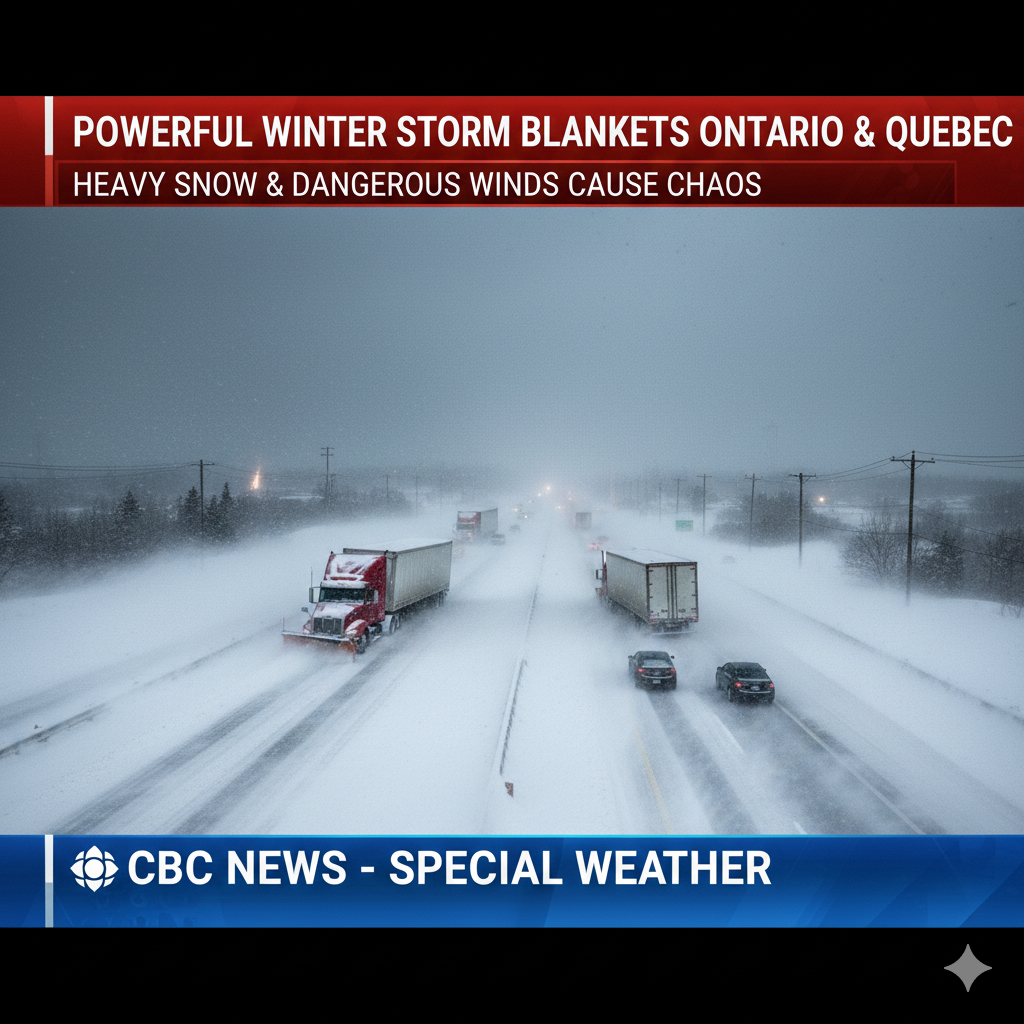
  • Powerful Winter Storm Brings Heavy Snow and Dangerous Winds to Ontario and Quebec

    Powerful Winter Storm Brings Heavy Snow and Dangerous Winds to Ontario and Quebec

    Introduction: Severe Winter System Prompts Heightened Warnings Across Eastern Canada

    Residents across large portions of Ontario and Quebec are preparing for a significant winter storm that meteorologists warn could deliver intense snowfall, powerful winds, and hazardous travel conditions over the coming days. Environment and Climate Change Canada (ECCC) has issued a series of winter storm warnings and special weather statements as the system moves eastward, bringing the potential for widespread disruptions, school closures, and dangerous driving conditions.

    The storm is expected to affect both northern and southern regions, with snowfall projections ranging from 10 centimetres in some areas to as much as 60 centimetres in the hardest-hit zones. Officials are urging the public to take precautions, limit unnecessary travel, and remain alert as conditions deteriorate from Wednesday into Thursday and potentially beyond.


    Northern Ontario Faces the Brunt of the Storm

    Winter Storm Warning in Effect for Multiple Regions

    In northern Ontario, Environment Canada has issued a winter storm warning as the system intensifies. Some communities could see accumulations of up to 60 centimetres of snow, accompanied by reduced visibility and rapidly deteriorating road conditions.

    Preparedness meteorologist Gerald Cheng noted during a Wednesday afternoon briefing that the storm was already causing disruptions even before reaching full intensity.

    He explained that snowfall had begun falling across several northern areas, with certain transportation routes already closed as conditions worsened. The combination of heavy, wet snow and strong winds has created treacherous travel conditions for motorists, particularly on rural and remote highways.

    Highway Closures and School Disruptions

    The Ontario Provincial Police (OPP) confirmed multiple road closures in northern parts of the province, reflecting the severity of the storm. Sections of Highway 144 near Timmins, Highway 11 near Hearst, and parts of Highway 631 between White River and north of Hornepayne were among the routes temporarily shut down due to unsafe driving conditions.

    In the Thunder Bay region, schools in rural areas were forced to close, and bus services were cancelled as visibility on the roads dropped sharply. Wet, heavy snow combined with gusting winds made travel especially challenging for both residents and emergency services.

    Environment Canada warned that snowfall rates could peak at up to four centimetres per hour, significantly increasing the risk of whiteout conditions and making visibility nearly impossible in some locations.


    Strong Winds Intensify the Threat

    Gusts up to 70 km/h in Northern Zones

    Alongside the heavy snowfall, strong northerly winds gusting up to 70 km/h are forecast across northern Ontario. These winds are expected to blow loose snow across highways and open areas, creating dangerous drifts and further reducing visibility.

    Weather officials stressed that travel will likely become hazardous, with possible road closures as conditions evolve. Motorists are being advised to avoid unnecessary travel and to monitor local updates closely if travel cannot be postponed.


    Storm System Extends Into Quebec

    Warnings and Special Statements Issued

    The winter storm is not confined to Ontario, as it continues its path into Quebec. The official winter storm warning stretches eastward into regions around Lake Mistassini, with areas beyond the main warning zone placed under special weather statements.

    Communities such as Manic, Baie-Trinité, Sept-Îles–Port-Cartier, and Labrieville are being warned of moderate snowfall beginning Wednesday night and continuing into Thursday evening, with accumulations reaching up to 15 centimetres in some areas.

    Residents are advised to remain cautious and limit travel where possible, especially during periods of peak snowfall and high winds.


    New Colour-Coded Weather Alert System Explained

    A Modernized Approach to Weather Warnings

    During the same briefing, Environment and Climate Change Canada unveiled a revamped colour-coded alert system designed to help the public better understand the severity of weather threats. The updated system categorizes alerts based on the level of risk and potential impact:

    • Yellow Alerts indicate moderate, localized, or short-term weather impacts.
    • Orange Alerts highlight major and widespread weather conditions that may persist for several days.
    • Red Alerts are reserved for severe, prolonged, and wide-reaching events that pose significant risks to life and property.

    The new system will ensure that website and app banners reflect the alert colour clearly, making it easier for the public to recognize the seriousness of incoming weather events at a glance. Priority notifications will be sent through the WeatherCAN app if conditions escalate to the highest risk level.

    This shift is aimed at improving public response times and encouraging early preparation, especially during extreme winter weather conditions.


    Southern Ontario Also Under Threat

    Snow and High Winds Expected from Windsor to Kingston

    While northern Ontario faces the heaviest snowfall, southern Ontario is also expected to experience challenging conditions. The storm system is forecast to bring snow and powerful winds across the region stretching from Windsor through the Greater Toronto Area and eastward toward Kingston.

    Cheng warned that the southern portion of the province is likely to experience gusts up to 90 km/h, particularly along the shores of Lake Erie and the northeastern shores of Lake Ontario. These strong winds are expected to generate significant lake-effect snow, further adding to accumulation totals.

    Snow Squall Watch Issued

    A snow squall watch has been placed over several counties, including Huron, Grey, Bruce, Simcoe, Wellington, and the Waterloo Region. These areas could see snowfall totals ranging from 30 centimetres to potentially 50 centimetres for locations closer to Lake Huron.

    Snow squalls are expected to develop overnight Wednesday into Thursday and may persist into Friday. Officials caution that these squalls can shift rapidly before locking into place later in the week, resulting in sudden and intense bursts of snowfall.


    Wind Warnings and Utility Concerns

    Potential Power Outages and Property Damage

    Special weather statements have been issued for much of southern Ontario, including Toronto and surrounding areas, warning of extremely strong winds that could reach up to 90 km/h. These winds present risks to utility infrastructure, with the potential for localized power outages.

    Authorities have cautioned that high-sided vehicles may be difficult to control and that loose outdoor objects such as signs, bins, and holiday decorations could become airborne hazards.

    Wind warnings are also in effect for Norfolk and Haldimand counties, the Niagara region, and areas near Lake on the Mountain Provincial Park. Although winds are forecast to weaken gradually by Thursday morning, they are expected to remain strong enough to pose ongoing safety concerns.


    Travel Disruptions Likely Across Provinces

    Authorities Urge Caution and Preparedness

    Environment Canada and emergency services are emphasizing the importance of planning ahead and staying informed before venturing outside. Meteorologist Steven Flisfeder advised the public to take additional precautions and adjust travel plans as necessary.

    Drivers are being encouraged to maintain safe following distances, reduce speed, and allow extra time for commutes. Poor visibility caused by blowing snow could significantly slow travel and increase the risk of collisions, especially during peak snowfall periods.

    Residents are also advised to equip their vehicles with winter emergency kits, monitor road closure updates, and check local forecasts frequently.


    Community Response and Preparedness Measures

    Residents Brace for Impact

    Across Ontario and Quebec, residents are stocking up on essentials, securing outdoor items, and inspecting heating systems in anticipation of prolonged winter conditions. Municipal services are preparing snow-clearing equipment and staffing emergency response teams to manage the surge in weather-related calls.

    Public transit operations may also experience delays or disruptions depending on snowfall intensity and road safety concerns, particularly in heavily affected areas.


    Conclusion: Heightened Vigilance as Storm Intensifies

    The approaching winter storm stands as a reminder of the powerful and unpredictable nature of Canada’s winter season. With heavy snow, strong winds, and reduced visibility expected across large parts of Ontario and Quebec, authorities continue to stress the importance of vigilance and early preparation.

    Through the introduction of a new colour-coded alert system and ongoing real-time updates, Environment and Climate Change Canada aims to ensure that residents receive clear, actionable information. As the storm unfolds, cooperation between emergency services and the public will be critical in minimizing risks and ensuring safety.

    For now, residents are urged to stay informed, follow official guidance, and prioritize safety as this p

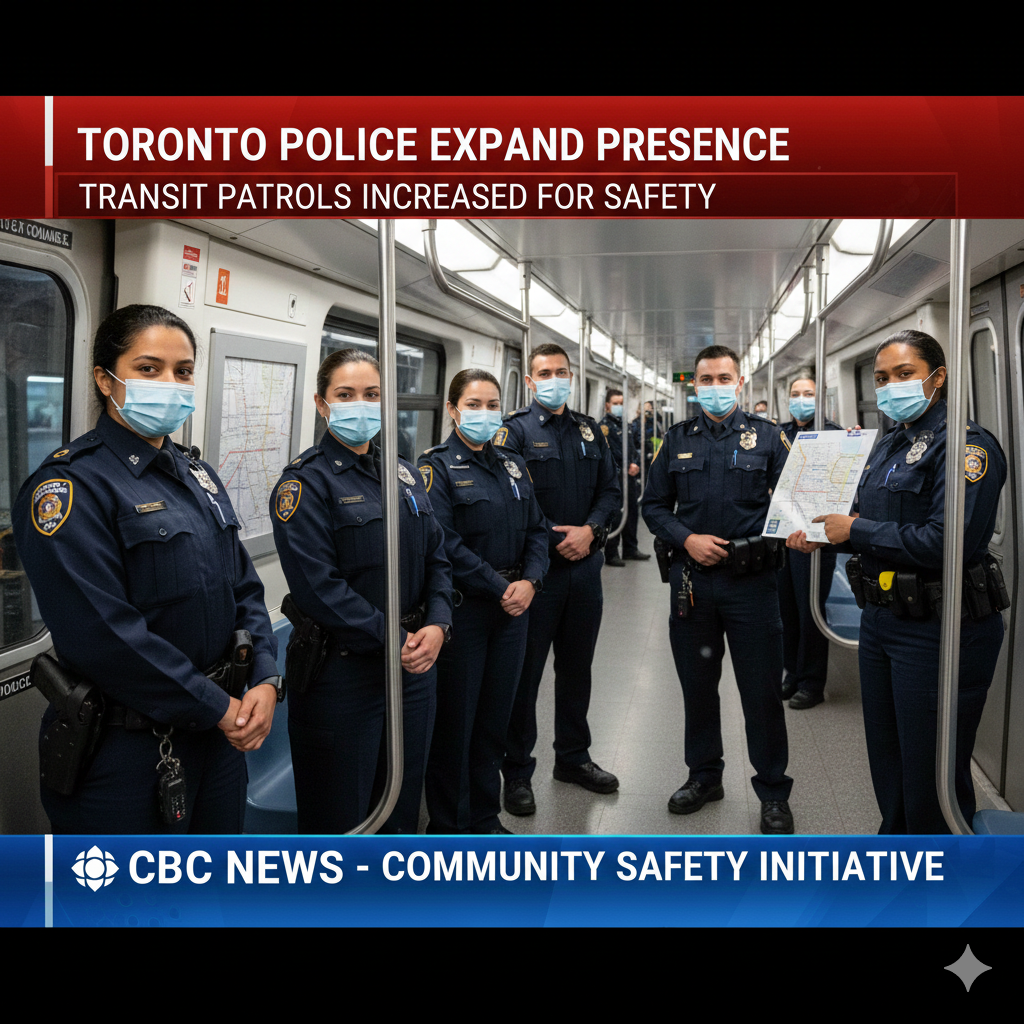
  • Toronto Police Expand Community Policing and Transit Patrols to Strengthen Safety Across Key Neighbourhoods

    Toronto Police Expand Community Policing and Transit Patrols to Strengthen Safety Across Key Neighbourhoods

    Introduction: A Strategic Shift Toward Proactive Community Safety

    Toronto Police Services has announced a significant expansion of its community policing initiative, reinforcing its commitment to proactive public safety and crime prevention across the city. The updated plan will introduce additional patrol coverage in four new neighbourhoods while also strengthening officer presence on critical segments of the Toronto Transit Commission’s (TTC) Line 1 subway route. The move comes as part of a broader effort to address rising safety concerns, respond to community feedback, and prevent incidents before they escalate into emergencies.

    Police Chief Myron Demkiw revealed the details during a media briefing on Wednesday, emphasizing that the program sets out to deepen engagement between police and local residents. By embedding officers directly within communities, Toronto Police aims to mend trust, deter crime, and offer consistent support to vulnerable populations. City officials and transit authorities have expressed confidence that the expansion will result in safer neighbourhoods and a more secure transit experience for daily commuters.


    Expansion of Neighbourhood Community Officer Program

    Four Neighbourhoods Added to the Initiative

    As part of the new rollout, Toronto Police will assign 16 community officers to four targeted neighbourhoods by the end of the year. Each area will receive four dedicated officers who will operate within the Neighbourhood Community Officer (NCO) program. The selected communities include:

    • Dufferin Grove
    • Banbury-Don Mills / Victoria Village
    • Wexford-Maryvale
    • Etobicoke City Centre

    These neighbourhoods were identified based on a combination of factors, including elevated rates of violent incidents, youth-related offences, proximity to schools and transit hubs, and recommendations from city planners and safety advisors. The goal is not just visibility, but meaningful presence, ensuring that residents recognize and trust the officers working in their area.

    Role of Embedded Community Officers

    Neighbourhood community officers play a unique role that differs from conventional patrol units. Rather than responding only to emergency calls, these officers are integrated into the daily rhythm of the community. They focus on relationship-building, early intervention, and collaborative problem-solving.

    Chief Demkiw highlighted that these officers are often on a first-name basis with residents and business owners, enabling open dialogue and stronger cooperation. Their presence helps address issues such as recurring disturbances, youth engagement concerns, and minor criminal behaviour before it escalates.

    By strengthening ties with community members, the program fosters a shared responsibility for safety, creating an environment where problems are addressed collectively instead of reactively.


    Increased Police Presence on TTC Line 1

    Targeted Subway Coverage for Rider Safety

    In addition to neighbourhood expansion, Toronto Police is boosting its presence on Toronto’s busiest subway corridor, Line 1. Two high-traffic segments will receive consistent, seven-day-a-week officer coverage:

    • Between Union Station and Wellesley Station
    • Between Bloor Station and Eglinton Station

    Four officers will be dedicated to each of these sections, providing ongoing supervision and rapid response capabilities. The goal is to ensure that riders feel protected throughout their commute, particularly during evening hours and in high-density zones where incidents have been more frequent.

    Prioritized Stations and Integrated Support

    Union and Bloor stations will receive prioritized patrols given their heavy foot traffic and historical safety concerns. Officers will work closely with TTC special constables, community engagement officers, and city crisis response personnel to assist individuals experiencing mental health emergencies, homelessness, or distress.

    This integrated approach ensures that safety measures are not solely enforcement-driven but also include social support and compassionate intervention where necessary.


    Preventative Policing and Crime Reduction Strategy

    Focus on Deterrence Over Reaction

    According to police officials, the expanded TTC patrols aim to prevent criminal activity rather than simply respond after an incident occurs. Officers will conduct routine monitoring, provide safety education to riders, and intervene during early signs of disruptive behaviour.

    Toronto Police stated that their strategy is rooted in enforcement, awareness, and prevention. By maintaining a consistent presence, they hope to discourage offenders and create an atmosphere where public spaces are perceived as secure and monitored.

    Responding to Community and Staff Feedback

    TTC officials, including Chief Strategy and Customer Officer Josh Colle, noted that the selected subway segments were chosen based on recurring concerns raised by both transit staff and commuters. The enhanced deployment reflects ongoing communication between transit agencies and law enforcement and a shared commitment to improving passenger experience.

    By addressing reported hotspots and staff anxieties, authorities aim to boost morale among transit workers while reassuring the public.


    Leadership Support and Community Confidence

    Police and City Leadership United

    Toronto Mayor Olivia Chow voiced strong support for the initiative, highlighting the proven impact of neighbourhood community officers. According to the mayor, consistent officer presence leads to reduced crime rates and improved public confidence.

    Mayor Chow emphasized that officers assigned to specific neighbourhoods gain valuable insight into local challenges, enabling them to respond with context and empathy. This long-term mission aligns with the city’s vision of equitable safety and inclusive law enforcement.

    Chief Demkiw echoed this sentiment, stating that community policing is about collaboration rather than authority. He stressed the importance of co-developing safety initiatives with residents, ensuring that police efforts reflect local needs and realities.


    Incident at Dundas Station Highlights Urgency

    Stabbing Raises Immediate Safety Concerns

    The announcement came on the same day as a serious incident at Dundas Station, where a TTC employee was stabbed and critically injured. A male suspect was apprehended and taken to hospital, alongside the injured employee, who was also receiving treatment.

    Although the event occurred after the scheduled media briefing, it underscored the relevance of enhanced subway security. TTC CEO Mandeep Lali acknowledged the gravity of the situation and affirmed the organization’s partnership with Toronto Police to prevent further violence.

    He reiterated that violent acts have no place within the transit system and that steps are being taken to hold offenders accountable while protecting staff and commuters alike.


    Sustainable Growth Through Strategic Staffing

    Multi-Year Hiring Plan Enables Expansion

    Chief Demkiw noted that the expansion of the community policing program is supported by the service’s ongoing multi-year recruitment strategy. The hiring plan has enabled Toronto Police to allocate additional resources without compromising existing operational capabilities.

    This sustainable approach ensures that increased coverage can be maintained over time, providing stability to both neighbourhood and transit patrol initiatives.


    Long-Term Goals for Safer Communities

    Strengthening Trust Through Consistency

    The overarching objective of the expanded program is to rebuild and strengthen trust between law enforcement and Toronto residents. By becoming familiar faces within communities and transit systems, officers help dismantle barriers and create open channels for communication.

    The strategy prioritizes prevention, engagement, and accountability, creating a holistic model of urban safety that extends beyond reactive policing practices.


    Conclusion: A Balanced Approach to Public Safety in Toronto

    Toronto Police’s decision to expand its community policing footprint and enhance TTC patrols represents a crucial investment in the city’s safety infrastructure. By deploying dedicated officers to high-need neighbourhoods and busy transit corridors, authorities aim to reduce crime, improve commuter confidence, and foster meaningful relations between law enforcement and the public.

    With strong leadership backing, structured planning, and coordinated efforts between police, transit agencies, and city officials, Toronto continues to move toward a future where safety is shared, proactive, and deeply rooted in community collaboration. The initiative serves as a step forward in creating a more secure and harmonious environment for all who live, work, and travel across the city.

  • Urgent Co-ordinated Action Needed as Monarch Butterfly Population Plummets to Alarming Levels

    Urgent Co-ordinated Action Needed as Monarch Butterfly Population Plummets to Alarming Levels

    Monarch Butterfly Facing Unprecedented Decline

    The monarch butterfly, one of North America’s most recognised and cherished species, is now confronting a steep and deeply concerning population crash. Researchers are warning that without immediate and co-ordinated action from Canada, the United States and Mexico, the iconic migratory insect could face extinction within the foreseeable future.

    A recent study published in Current Biology reveals that the monarch population has fallen by nearly 80 per cent over the last two decades. Scientists say the most significant cause of this catastrophic drop is the widespread destruction of breeding habitats, particularly the disappearance of milkweed plants — the sole food source for monarch caterpillars.

    This dramatic decline represents not only an ecological crisis but also a profound cultural and environmental loss for all three countries, where the monarch is woven into both natural heritage and public consciousness.

    The Extraordinary Migration at Risk

    Every year, millions of monarch butterflies embark on an extraordinary migration stretching thousands of kilometres. These fragile insects travel from southern Canada and the northern United States to the mountainous forests of central Mexico, where they overwinter before returning north in the spring.

    Weighing less than a gram, monarchs rely on favourable weather patterns and suitable habitat along their route to survive this demanding journey. Their migration is one of the most remarkable natural phenomena on the planet — yet it is now increasingly threatened by shrinking ecosystems and environmental instability.

    Researchers measure the monarch population by calculating the area of forest occupied during the winter season in Mexico. The ideal conservation target sits around 132 million butterflies. However, recent counts suggest fewer than 40 million remain, a stark contrast to the estimated 300 million recorded in the early 1990s.

    Ryan Norris, a professor of integrative biology at the University of Guelph and co-author of the study, describes these figures as “alarmingly low.” He warned that the species is now dangerously vulnerable to any major environmental catastrophe, such as a severe storm or deforestation event in Mexico, which could devastate the entire eastern population.

    Habitat Destruction and Loss of Milkweed

    The Core Driver of Decline

    The most well-supported explanation for the monarch’s decline is the massive loss of breeding habitat, especially in the U.S. Midwest. Milkweed plants, essential for monarch reproduction, have been disappearing at an unprecedented rate due to modern agricultural practices, urban development and herbicide use.

    Scientists estimate that more than one billion milkweed stems have been lost across North America in just a few decades. Without these plants, monarchs cannot lay their eggs, and caterpillars cannot survive, effectively halting population regeneration.

    Tyler Flockhart, the study’s lead author and a population ecologist based in Saskatoon, explains that the loss of milkweed is the single most critical factor driving the species’ decline. While monarch populations naturally fluctuate, such a severe and sustained drop indicates a systemic failure of the ecosystem.

    Climate Change and Other Contributing Factors

    Although habitat destruction stands as the primary threat, monarchs are also impacted by several compounding pressures:

    Extreme Weather Events

    Increasingly frequent droughts, heatwaves and storms — driven by climate change — disrupt breeding cycles and migration patterns, reducing survival rates.

    Overwintering Habitat Loss

    Deforestation in the highlands of central Mexico continues to erode the forests where monarchs shelter during winter, leaving them exposed to colder temperatures and predators.

    Pesticide Usage

    The widespread use of chemical pesticides not only kills monarch larvae directly but also eliminates native plants critical to their lifecycle.

    These interconnected threats combine to place tremendous strain on a species already struggling to sustain viable numbers.

    Endangered Status and Global Concern

    The monarch butterfly is officially listed as an endangered species in both Canada and Mexico. In the United States, the U.S. Fish and Wildlife Service has proposed classifying the monarch as threatened, a move that could significantly strengthen protections and funding for conservation efforts.

    Experts argue that if meaningful intervention does not occur soon, the monarch population could collapse to near-zero levels within a single generation.

    Proposed $150 Million Recovery Plan

    To counter the alarming trend, researchers recommend a major investment of $150 million over five years to restore monarch habitats. The proposal prioritises the large-scale replanting of milkweed along major migration corridors, particularly in the U.S. Midwest, where agricultural expansion has been most damaging.

    Flockhart stresses that targeted habitat restoration is essential if population levels are to recover to sustainable numbers. The plan advocates a continent-wide strategy rather than isolated local efforts, emphasising that monarch conservation must cross political boundaries to succeed.

    Trinational Strategy: A United Front for Survival

    The study calls for a coordinated conservation strategy involving Canada, the U.S. and Mexico. Researchers argue that piecemeal approaches will not be enough to preserve a species whose lifecycle spans three countries.

    Ryan Norris noted that while various programs already exist, current efforts may not achieve long-term stability. Only unified planning, meaningful policy reform and substantial funding can prevent irreversible collapse.

    Government Initiatives and Progress

    Environment and Climate Change Canada confirmed it has been actively working with provinces, territories and international partners to bolster monarch protection. Since 2017, the department has invested over $10 million in 79 conservation projects nationwide.

    These initiatives have secured more than 4,300 hectares of protected monarch habitat and improved an additional 4,900 hectares through native planting and restoration programs. While these measures have generated positive momentum, experts agree they are insufficient without broader international alignment.

    The Role of Communities and Individuals

    Encouragingly, public awareness has increased significantly. More homeowners, farmers and conservation groups across North America are planting milkweed in gardens, parks and agricultural margins.

    Norris believes grassroots involvement can make a critical difference. “Everybody can do a little bit, and it would make a big difference,” he said, urging citizens to contribute wherever possible.

    Cultural Importance of the Monarch Butterfly

    Beyond its ecological value, the monarch butterfly holds deep cultural meaning. In Mexico, monarch migration coincides with the Day of the Dead, symbolising the return of spirits. In Canada and the U.S., the monarch is a symbol of transformation, resilience and natural wonder.

    The thought of losing such an emblematic species resonates deeply with conservationists, educators and nature lovers across the continent.

    “If we lost them, millions would regret not acting when they had the chance,” Norris said, highlighting the emotional and historical significance of the species.

    A Species That Defies Imagination

    Monarch butterflies exhibit an astonishing life cycle. Spring migrants live for about a month, breeding as they move north. The late-summer generation enters a state known as reproductive diapause, allowing them to survive up to nine months and reach their Mexican wintering grounds.

    Flockhart, who has studied monarchs for nearly two decades, remains captivated by their extraordinary journey. “It’s hard to believe that something so small can travel such immense distances to a place it has never been,” he said.

    A Narrow Window for Action

    Scientists warn that time is running out. Without aggressive intervention, monarch butterflies may disappear within our lifetime — a loss that would echo for generations to come.

    Yet there is still hope. With sustained political commitment, scientific guidance and public participation, the monarch population can rebound. Conservation experts stress that decisive action taken today could ensure future generations witness the awe-inspiring migration that has long defined North America’s natural landscape.

    Preserving a Living Symbol

    The monarch butterfly is more than just an insect. It is a living symbol of endurance, transformation and ecological balance. Saving it requires urgency, unity and responsibility.

    The message from scientists is clear: the time to act is now. The fate of the monarch rests in the collective hands of governments, communities and individuals alike — and with the right measures, this magnificent species can once again flourish across the continent.